Buy rent-a-cook.eu ?
We are moving the project
rent-a-cook.eu .
Are you interested in purchasing the domain
rent-a-cook.eu ?
domain@kv-gmbh.de · 0541-91531010
Buy rent-a-cook.eu ?
How do you cook at low heat?
Cooking at low heat involves using a lower temperature setting on your stove or oven to gently cook food without browning or burning it. To cook at low heat, start by preheating your pan or oven to a low temperature. Use a lower flame or setting on your stove to maintain a consistent low heat. Stir frequently and be patient, as cooking at low heat may take longer but will result in tender and evenly cooked food. **
How can one heat up a microwave meal without a microwave?
One way to heat up a microwave meal without a microwave is to use a conventional oven. Preheat the oven to the temperature specified on the meal's packaging and then transfer the meal to an oven-safe dish. Cover the dish with aluminum foil and heat the meal in the oven for the recommended amount of time. Another option is to use a stovetop. Place the meal in a skillet or saucepan with a small amount of water and cover it with a lid. Heat the meal over medium heat, stirring occasionally, until it reaches the desired temperature. **
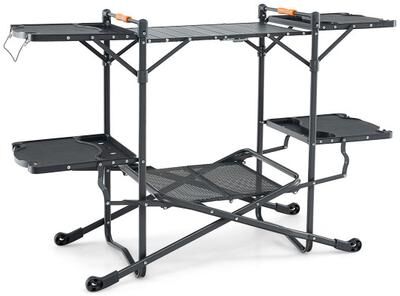

Similar search terms for Heat
Top-Angebote
Products related to Heat:
-
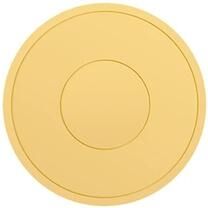
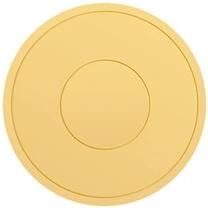
Uplift Essentials Multi Size Round Silicone Trivet & Heat Insulation Meal Mat yellow 8.6 InProtect your expensive quartz countertops, solid wood dining tables, and delicate glass surfaces from thermal damage and ugly water rings. Our premium thickened silicone meal mat offers an exceptional, heavyduty insulation shield engineered to...34,97 $*Shipping: 0,00 $Secure redirect to the provider
-
Uplift Essentials Multi Size Round Silicone Trivet & Heat Insulation Meal Mat yellow 6.3 InProtect your expensive quartz countertops, solid wood dining tables, and delicate glass surfaces from thermal damage and ugly water rings. Our premium thickened silicone meal mat offers an exceptional, heavyduty insulation shield engineered to...32,97 $*Shipping: 0,00 $Secure redirect to the provider
-
Uplift Essentials Multi Size Round Silicone Trivet & Heat Insulation Meal Mat green 8.6 InProtect your expensive quartz countertops, solid wood dining tables, and delicate glass surfaces from thermal damage and ugly water rings. Our premium thickened silicone meal mat offers an exceptional, heavyduty insulation shield engineered to...34,97 $*Shipping: 0,00 $Secure redirect to the provider
-
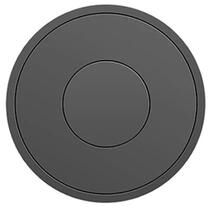
Uplift Essentials Multi Size Round Silicone Trivet & Heat Insulation Meal Mat black 8.6 InProtect your expensive quartz countertops, solid wood dining tables, and delicate glass surfaces from thermal damage and ugly water rings. Our premium thickened silicone meal mat offers an exceptional, heavyduty insulation shield engineered to...34,97 $*Shipping: 0,00 $Secure redirect to the provider

-
Can you be a head chef without formal culinary training?
Yes, it is possible to become a head chef without formal culinary training. Many successful head chefs have worked their way up through the ranks in kitchens, gaining experience and knowledge through hands-on work. Some have learned from mentors or through self-study. While formal culinary training can provide a strong foundation and valuable skills, practical experience and dedication to the craft can also lead to a successful career as a head chef. **
-
Does it consume more electricity to cook slowly on low heat or quickly on high heat?
Cooking slowly on low heat generally consumes more electricity than cooking quickly on high heat. This is because cooking slowly requires the appliance to be on for a longer period of time, using more electricity over the duration of the cooking process. On the other hand, cooking quickly on high heat may use more electricity in the short term, but overall consumes less energy due to the shorter cooking time. **
-
How can heat pumps be used in a private home?
Heat pumps can be used in a private home to provide both heating and cooling. They work by transferring heat from the outside air into the home during the colder months for heating, and transferring heat from inside the home to the outside during warmer months for cooling. This makes them an energy-efficient and cost-effective option for maintaining a comfortable temperature in a home year-round. Additionally, heat pumps can also be used to heat water for domestic use, further increasing their utility in a private home. **
-
How can heat pumps be used in private homes?
Heat pumps can be used in private homes for both heating and cooling purposes. They work by transferring heat from one place to another, either extracting heat from the outside air to warm the home in winter, or removing heat from inside the home to cool it in summer. Heat pumps are energy-efficient and can help reduce heating and cooling costs for homeowners. They can be installed as standalone units or integrated into existing heating and cooling systems in private homes. **


How much heat does a heat radiator produce?
The amount of heat produced by a heat radiator depends on its size, design, and the temperature of the water or steam flowing through it. Generally, a heat radiator can produce enough heat to warm up a room or a specific area within a building. The heat output is measured in British Thermal Units (BTUs) or watts, and can vary depending on the specific model and its intended use. It's important to consider the heat output of a radiator when selecting the right one for a particular space. **
What is heat transfer in a heat exchanger?
Heat transfer in a heat exchanger is the process of exchanging thermal energy between two fluids at different temperatures. This transfer occurs through conduction, convection, or radiation, depending on the design of the heat exchanger. The goal of heat transfer in a heat exchanger is to efficiently and effectively transfer heat from one fluid to another, either to heat or cool the fluids involved. This process is essential in various industrial and commercial applications, such as HVAC systems, refrigeration, and power generation. **
Top-Angebote
Products related to Heat:
-
Handy Heater® Turbo Heat Plug-In Personal Heater by BrylaneHome in GrayWhy You'll Love It Advanced ceramic heating technology delivers efficient, consistent heat for a cozy and inviting atmosphere.Enjoy fast, targeted warmth exactly where you need it, making chilly bedrooms, home offices, guest rooms, and small living...34,99 $*Shipping: 13,98 $Secure redirect to the provider
-
Uplift Essentials Multi Size Round Silicone Trivet & Heat Insulation Meal Mat yellow 8.6 InProtect your expensive quartz countertops, solid wood dining tables, and delicate glass surfaces from thermal damage and ugly water rings. Our premium thickened silicone meal mat offers an exceptional, heavyduty insulation shield engineered to...34,97 $*Shipping: 0,00 $Secure redirect to the provider
-
Uplift Essentials Multi Size Round Silicone Trivet & Heat Insulation Meal Mat yellow 6.3 InProtect your expensive quartz countertops, solid wood dining tables, and delicate glass surfaces from thermal damage and ugly water rings. Our premium thickened silicone meal mat offers an exceptional, heavyduty insulation shield engineered to...32,97 $*Shipping: 0,00 $Secure redirect to the provider
-
How do you cook at low heat?
Cooking at low heat involves using a lower temperature setting on your stove or oven to gently cook food without browning or burning it. To cook at low heat, start by preheating your pan or oven to a low temperature. Use a lower flame or setting on your stove to maintain a consistent low heat. Stir frequently and be patient, as cooking at low heat may take longer but will result in tender and evenly cooked food. **
-
How can one heat up a microwave meal without a microwave?
One way to heat up a microwave meal without a microwave is to use a conventional oven. Preheat the oven to the temperature specified on the meal's packaging and then transfer the meal to an oven-safe dish. Cover the dish with aluminum foil and heat the meal in the oven for the recommended amount of time. Another option is to use a stovetop. Place the meal in a skillet or saucepan with a small amount of water and cover it with a lid. Heat the meal over medium heat, stirring occasionally, until it reaches the desired temperature. **
-
Can you be a head chef without formal culinary training?
Yes, it is possible to become a head chef without formal culinary training. Many successful head chefs have worked their way up through the ranks in kitchens, gaining experience and knowledge through hands-on work. Some have learned from mentors or through self-study. While formal culinary training can provide a strong foundation and valuable skills, practical experience and dedication to the craft can also lead to a successful career as a head chef. **
-
Does it consume more electricity to cook slowly on low heat or quickly on high heat?
Cooking slowly on low heat generally consumes more electricity than cooking quickly on high heat. This is because cooking slowly requires the appliance to be on for a longer period of time, using more electricity over the duration of the cooking process. On the other hand, cooking quickly on high heat may use more electricity in the short term, but overall consumes less energy due to the shorter cooking time. **
Similar search terms for Heat
-
Uplift Essentials Multi Size Round Silicone Trivet & Heat Insulation Meal Mat green 8.6 InProtect your expensive quartz countertops, solid wood dining tables, and delicate glass surfaces from thermal damage and ugly water rings. Our premium thickened silicone meal mat offers an exceptional, heavyduty insulation shield engineered to...34,97 $*Shipping: 0,00 $Secure redirect to the provider
-
Uplift Essentials Multi Size Round Silicone Trivet & Heat Insulation Meal Mat black 8.6 InProtect your expensive quartz countertops, solid wood dining tables, and delicate glass surfaces from thermal damage and ugly water rings. Our premium thickened silicone meal mat offers an exceptional, heavyduty insulation shield engineered to...34,97 $*Shipping: 0,00 $Secure redirect to the provider
-
Uplift Essentials Multi Size Round Silicone Trivet & Heat Insulation Meal Mat gray 6.3 InProtect your expensive quartz countertops, solid wood dining tables, and delicate glass surfaces from thermal damage and ugly water rings. Our premium thickened silicone meal mat offers an exceptional, heavyduty insulation shield engineered to...32,97 $*Shipping: 0,00 $Secure redirect to the provider
-
Uplift Essentials Multi Size Round Silicone Trivet & Heat Insulation Meal Mat white 8.6 InProtect your expensive quartz countertops, solid wood dining tables, and delicate glass surfaces from thermal damage and ugly water rings. Our premium thickened silicone meal mat offers an exceptional, heavyduty insulation shield engineered to...34,97 $*Shipping: 0,00 $Secure redirect to the provider
-
How can heat pumps be used in a private home?
Heat pumps can be used in a private home to provide both heating and cooling. They work by transferring heat from the outside air into the home during the colder months for heating, and transferring heat from inside the home to the outside during warmer months for cooling. This makes them an energy-efficient and cost-effective option for maintaining a comfortable temperature in a home year-round. Additionally, heat pumps can also be used to heat water for domestic use, further increasing their utility in a private home. **
-
How can heat pumps be used in private homes?
Heat pumps can be used in private homes for both heating and cooling purposes. They work by transferring heat from one place to another, either extracting heat from the outside air to warm the home in winter, or removing heat from inside the home to cool it in summer. Heat pumps are energy-efficient and can help reduce heating and cooling costs for homeowners. They can be installed as standalone units or integrated into existing heating and cooling systems in private homes. **
-
How much heat does a heat radiator produce?
The amount of heat produced by a heat radiator depends on its size, design, and the temperature of the water or steam flowing through it. Generally, a heat radiator can produce enough heat to warm up a room or a specific area within a building. The heat output is measured in British Thermal Units (BTUs) or watts, and can vary depending on the specific model and its intended use. It's important to consider the heat output of a radiator when selecting the right one for a particular space. **
-
What is heat transfer in a heat exchanger?
Heat transfer in a heat exchanger is the process of exchanging thermal energy between two fluids at different temperatures. This transfer occurs through conduction, convection, or radiation, depending on the design of the heat exchanger. The goal of heat transfer in a heat exchanger is to efficiently and effectively transfer heat from one fluid to another, either to heat or cool the fluids involved. This process is essential in various industrial and commercial applications, such as HVAC systems, refrigeration, and power generation. **
* All prices are inclusive of VAT and, if applicable, plus shipping costs. The offer information is based on the details provided by the respective shop and is updated through automated processes. Real-time updates do not occur, so deviations can occur in individual cases. ** Note: Parts of this content were created by AI.