Buy rent-a-cook.eu ?
We are moving the project
rent-a-cook.eu .
Are you interested in purchasing the domain
rent-a-cook.eu ?
domain@kv-gmbh.de · 0541-91531010
Buy rent-a-cook.eu ?
How is a simple refracting telescope constructed, such as Kepler's telescope?
A simple refracting telescope, like Kepler's telescope, is constructed using two main components: a convex lens and a concave lens. The convex lens, also known as the objective lens, is placed at the end of the telescope closest to the object being observed. This lens gathers and focuses light rays to form an image. The concave lens, or eyepiece lens, is positioned at the opposite end of the telescope and magnifies the image formed by the objective lens, allowing the viewer to see a larger and clearer image. The two lenses are set at a specific distance from each other to ensure proper magnification and focus. **
What are the differences between a reflecting telescope and a refracting telescope?
The main difference between a reflecting telescope and a refracting telescope is the way they gather and focus light. A reflecting telescope uses mirrors to gather and focus light, while a refracting telescope uses lenses. Reflecting telescopes are typically more compact and have a wider field of view, while refracting telescopes are longer and have a narrower field of view. Additionally, reflecting telescopes are less affected by chromatic aberration, a type of distortion caused by the way lenses refract different colors of light, compared to refracting telescopes. **
Similar search terms for Telescope
Top-Angebote
Products related to Telescope:
-
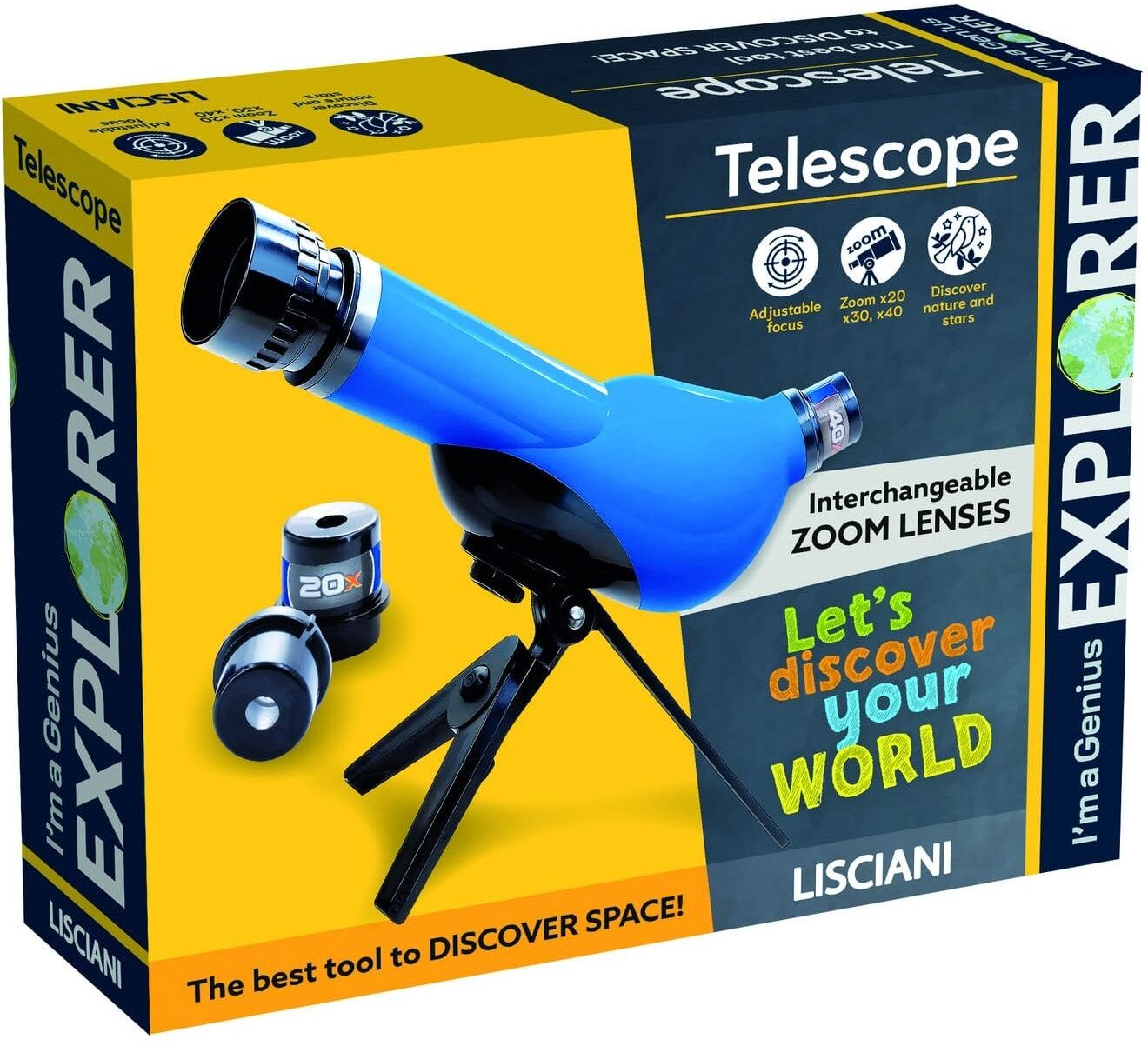
Lisciani I'm A Genius Telescope - Beginner Astronomy Tool for Sky ViewingA beginner-friendly telescope for first steps in astronomy and close-up sky viewing. Easy assembly and focusing for clearer views of stars and constellations. Ideal for family stargazing and early science projects.14,19 £*Shipping: 3,95 £Secure redirect to the provider
-
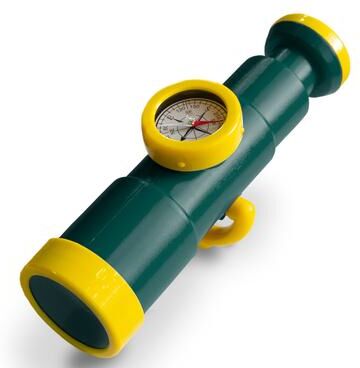
Swing-N-Slide Telescope with Working CompassThe Swing-N-Slide's Telescope with Working Compass and Mounting Bracket offers great fun and enjoyment. It is easy to install and features a simple design with a clear lens at the end for easy viewing.26,67 $*Shipping: 0,00 $Secure redirect to the provider

-
What are the differences between a reflector telescope and a refractor telescope?
The main difference between a reflector telescope and a refractor telescope is the way they gather and focus light. A reflector telescope uses mirrors to gather and focus light, while a refractor telescope uses lenses. This results in different optical designs and characteristics. Reflectors are generally better for viewing faint objects in the sky, while refractors are better for viewing bright, high-contrast objects. Additionally, reflector telescopes are often more affordable and easier to maintain, while refractor telescopes tend to produce sharper images and have less issues with chromatic aberration. **
-
Telescope or binoculars?
It depends on what you want to use them for. If you are interested in stargazing and observing distant celestial objects, a telescope would be the better choice as it provides higher magnification and better image quality. However, if you are looking for a more versatile and portable option for birdwatching, wildlife observation, or even some stargazing, then binoculars would be the better choice. Ultimately, the decision should be based on your specific needs and interests. **
-
What are the disadvantages of the Galilean telescope compared to the terrestrial telescope or the prism telescope?
The Galilean telescope has a narrower field of view compared to the terrestrial telescope and the prism telescope. This limits the amount of sky that can be observed at one time. Additionally, the Galilean telescope suffers from chromatic aberration, which can cause color fringing around the edges of the observed objects. This is a disadvantage compared to the terrestrial telescope and the prism telescope, which can provide clearer and more accurate images. Finally, the Galilean telescope has a shorter focal length, which can limit its ability to gather light and produce bright images, especially when compared to the terrestrial telescope. **
-
Is a telescope worth it?
Yes, a telescope can be worth it for those who have a genuine interest in astronomy and stargazing. It can provide a unique and immersive experience of observing celestial objects that may not be visible to the naked eye. Additionally, a telescope can help individuals deepen their understanding of the universe and spark a sense of wonder and curiosity about the cosmos. However, it is important to consider factors such as budget, storage space, and commitment to learning how to use the telescope effectively before making a purchase. **

How does a telescope work?
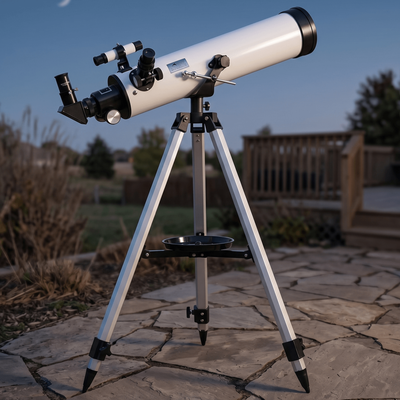
A telescope works by gathering and focusing light from distant objects, such as stars and planets. The primary component of a telescope is the objective lens or mirror, which collects and concentrates the light. This focused light is then magnified by the eyepiece, allowing the viewer to see a larger and clearer image of the object. By using lenses or mirrors to gather and magnify light, telescopes enable us to observe celestial objects that are too faint or distant to be seen with the naked eye. **
Is this a good telescope?
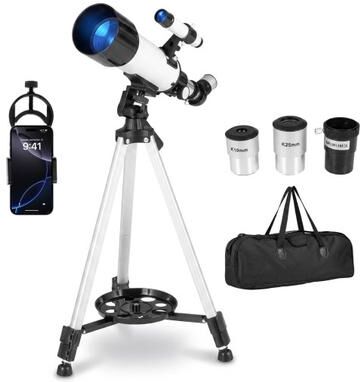
Yes, this is a good telescope. It has a large aperture size of 70mm which allows for good light gathering capabilities, making it suitable for observing celestial objects. Additionally, it comes with two eyepieces and a Barlow lens for different magnification options, providing versatility in viewing experiences. Overall, this telescope is a good choice for beginners and amateur astronomers looking to explore the night sky. **
Top-Angebote
Products related to Telescope:
-
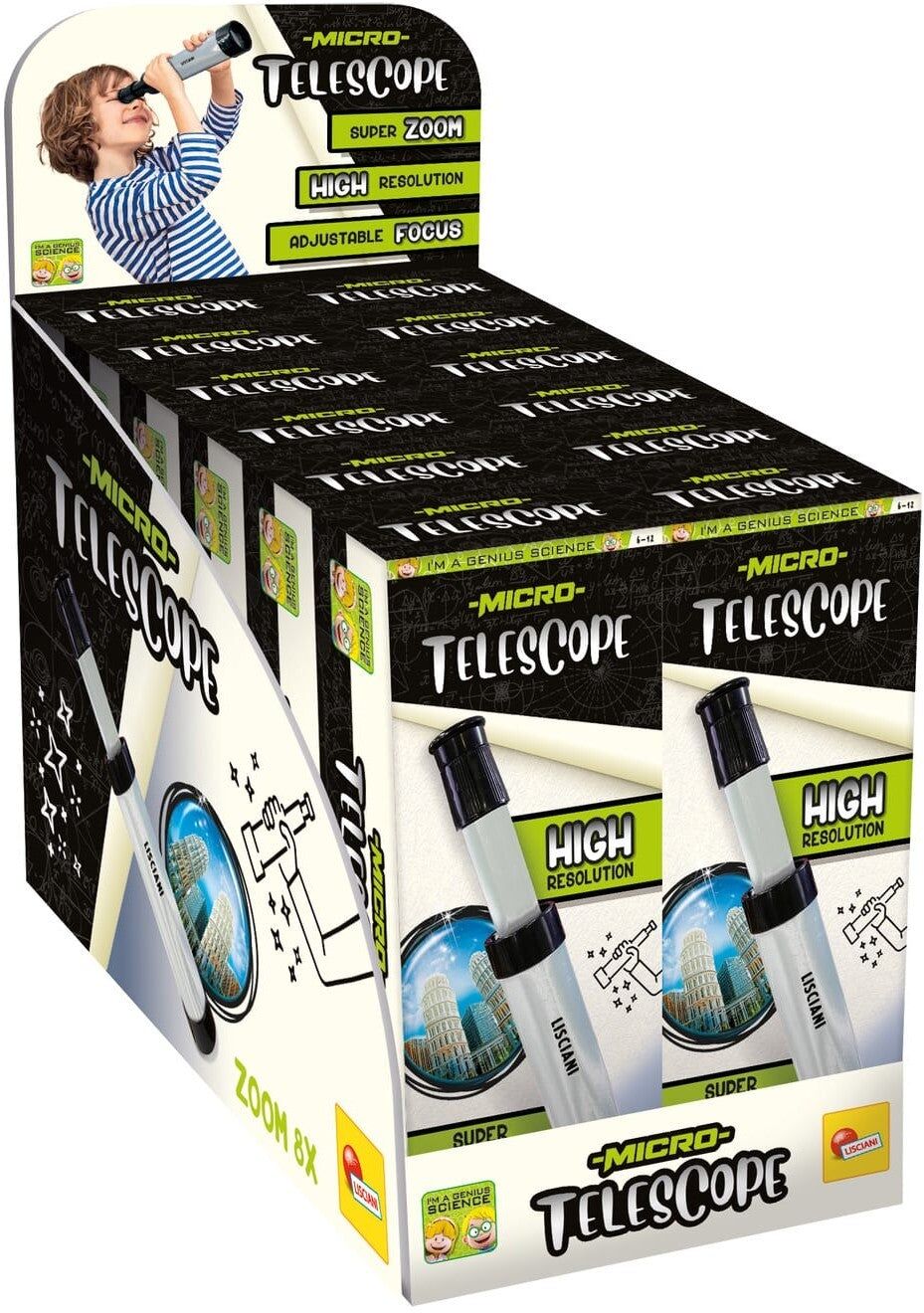
Lisciani I'm A Genius Mini Telescope - Small Lightweight Telescope for KidsCompact portable telescope designed for young curious explorers to discover the world of astronomy and outdoor science. Encourages observation skills, vocabulary, and scientific thinking through real-time exploration of surroundings.5,59 £*Shipping: 3,95 £Secure redirect to the provider
-
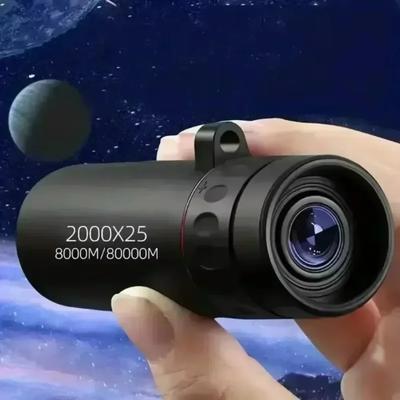
Combo Retail Shop Monocular Telescope Mini Portable Mobile Phone Telescope With Holder, Camping, Hunting, Bird Watching Telescope Monocular Telescope Mini Portable Mobile Phone Telescope With Holder, Camping, Hunting, Bird Watching TelescopeNew Monocular Telescope Mini Portable Mobile Phone Telescope with Holder for Camping, Hunting, Bird Watching Discover the world around you in stunning clarity with the New Monocular Telescope Mini Portable Mobile Phone Telescope with Holder. Whether...29,97 $*Shipping: 0,00 $Secure redirect to the provider
-
Lisciani I'm A Genius Telescope - Beginner Astronomy Tool for Sky ViewingA beginner-friendly telescope for first steps in astronomy and close-up sky viewing. Easy assembly and focusing for clearer views of stars and constellations. Ideal for family stargazing and early science projects.14,19 £*Shipping: 3,95 £Secure redirect to the provider
-
How is a simple refracting telescope constructed, such as Kepler's telescope?
A simple refracting telescope, like Kepler's telescope, is constructed using two main components: a convex lens and a concave lens. The convex lens, also known as the objective lens, is placed at the end of the telescope closest to the object being observed. This lens gathers and focuses light rays to form an image. The concave lens, or eyepiece lens, is positioned at the opposite end of the telescope and magnifies the image formed by the objective lens, allowing the viewer to see a larger and clearer image. The two lenses are set at a specific distance from each other to ensure proper magnification and focus. **
-
What are the differences between a reflecting telescope and a refracting telescope?
The main difference between a reflecting telescope and a refracting telescope is the way they gather and focus light. A reflecting telescope uses mirrors to gather and focus light, while a refracting telescope uses lenses. Reflecting telescopes are typically more compact and have a wider field of view, while refracting telescopes are longer and have a narrower field of view. Additionally, reflecting telescopes are less affected by chromatic aberration, a type of distortion caused by the way lenses refract different colors of light, compared to refracting telescopes. **
-
What are the differences between a reflector telescope and a refractor telescope?
The main difference between a reflector telescope and a refractor telescope is the way they gather and focus light. A reflector telescope uses mirrors to gather and focus light, while a refractor telescope uses lenses. This results in different optical designs and characteristics. Reflectors are generally better for viewing faint objects in the sky, while refractors are better for viewing bright, high-contrast objects. Additionally, reflector telescopes are often more affordable and easier to maintain, while refractor telescopes tend to produce sharper images and have less issues with chromatic aberration. **
-
Telescope or binoculars?
It depends on what you want to use them for. If you are interested in stargazing and observing distant celestial objects, a telescope would be the better choice as it provides higher magnification and better image quality. However, if you are looking for a more versatile and portable option for birdwatching, wildlife observation, or even some stargazing, then binoculars would be the better choice. Ultimately, the decision should be based on your specific needs and interests. **
Similar search terms for Telescope
-
Swing-N-Slide Telescope with Working CompassThe Swing-N-Slide's Telescope with Working Compass and Mounting Bracket offers great fun and enjoyment. It is easy to install and features a simple design with a clear lens at the end for easy viewing.26,67 $*Shipping: 0,00 $Secure redirect to the provider
-
Multisell Products Hub High Power Monocular Telescope Compact Portable Zoom For Bird Watching Hiking Travel High Power Monocular Telescope Compact Portable Zoom For Bird Watching Hiking TravelExperience the thrill of seeing distant details as if theyre right in front of you. This monocular telescope is designed for explorers, travelers, and everyday adventurers who dont want to miss a moment. Whether youre hiking scenic trails or...29,97 $*Shipping: 0,00 $Secure redirect to the provider
-
On Spot Shop Professional Astronomical Telescope With Large Aperture Monoculars For Stargazing, Birds & Moon Observation Professional Astronomical Telescope With Large Aperture Monoculars For Stargazing, Birds & Moon ObservationUnlock the beauty of the night sky and distant landscapes with this astronomical telescope designed for curious explorers and nature lovers alike. Whether you're gazing at the moons craters or spotting birds from afar, this powerful high power...384,97 $*Shipping: 0,00 $Secure redirect to the provider
-
What are the disadvantages of the Galilean telescope compared to the terrestrial telescope or the prism telescope?
The Galilean telescope has a narrower field of view compared to the terrestrial telescope and the prism telescope. This limits the amount of sky that can be observed at one time. Additionally, the Galilean telescope suffers from chromatic aberration, which can cause color fringing around the edges of the observed objects. This is a disadvantage compared to the terrestrial telescope and the prism telescope, which can provide clearer and more accurate images. Finally, the Galilean telescope has a shorter focal length, which can limit its ability to gather light and produce bright images, especially when compared to the terrestrial telescope. **
-
Is a telescope worth it?
Yes, a telescope can be worth it for those who have a genuine interest in astronomy and stargazing. It can provide a unique and immersive experience of observing celestial objects that may not be visible to the naked eye. Additionally, a telescope can help individuals deepen their understanding of the universe and spark a sense of wonder and curiosity about the cosmos. However, it is important to consider factors such as budget, storage space, and commitment to learning how to use the telescope effectively before making a purchase. **
-
How does a telescope work?
A telescope works by gathering and focusing light from distant objects, such as stars and planets. The primary component of a telescope is the objective lens or mirror, which collects and concentrates the light. This focused light is then magnified by the eyepiece, allowing the viewer to see a larger and clearer image of the object. By using lenses or mirrors to gather and magnify light, telescopes enable us to observe celestial objects that are too faint or distant to be seen with the naked eye. **
-
Is this a good telescope?
Yes, this is a good telescope. It has a large aperture size of 70mm which allows for good light gathering capabilities, making it suitable for observing celestial objects. Additionally, it comes with two eyepieces and a Barlow lens for different magnification options, providing versatility in viewing experiences. Overall, this telescope is a good choice for beginners and amateur astronomers looking to explore the night sky. **
* All prices are inclusive of VAT and, if applicable, plus shipping costs. The offer information is based on the details provided by the respective shop and is updated through automated processes. Real-time updates do not occur, so deviations can occur in individual cases. ** Note: Parts of this content were created by AI.