Buy rent-a-cook.eu ?
We are moving the project
rent-a-cook.eu .
Are you interested in purchasing the domain
rent-a-cook.eu ?
domain@kv-gmbh.de · 0541-91531010
Buy rent-a-cook.eu ?
Can you be a head chef without formal culinary training?
Yes, it is possible to become a head chef without formal culinary training. Many successful head chefs have worked their way up through the ranks in kitchens, gaining experience and knowledge through hands-on work. Some have learned from mentors or through self-study. While formal culinary training can provide a strong foundation and valuable skills, practical experience and dedication to the craft can also lead to a successful career as a head chef. **
Is this still politics, instead of logical thinking emotional thinking?
While emotions can play a role in politics, it is ultimately a field that requires a balance of logical thinking and emotional intelligence. Political decisions are often based on a combination of facts, values, and public opinion, making it necessary to consider both rational arguments and emotional responses. Therefore, it is important for politicians and citizens alike to engage in critical thinking and thoughtful analysis when navigating political issues. **


Similar search terms for Thinking
Top-Angebote
Products related to Thinking:
-
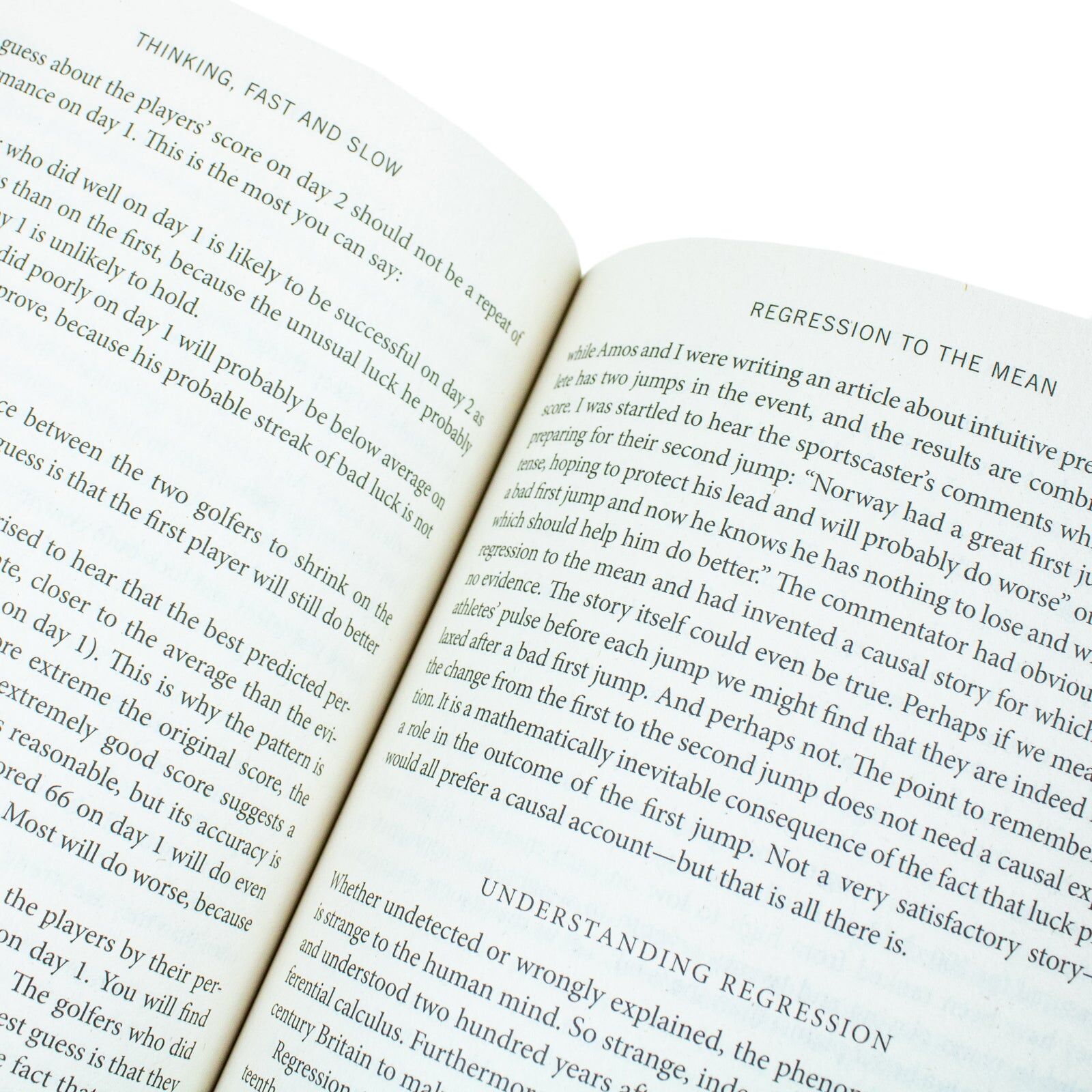
Penguin Thinking, Fast and Slow by Daniel KahnemanWhy is there more chance we'll believe something if it's in a bold type face? Why are judges more likely to deny parole before lunch? Why do we assume a good-looking person will be more competent? The answer lies in the two ways we make choices: fast, intuitive thinking, and slow, rational thinking. This book reveals how our minds are tripped up by error and prejudice (even when we think we are being logical), and gives you practical techniques for slower, smarter thinking. It will enable to you make better decisions at work, at home, and in everything you do.7,99 £*Shipping: 2,99 £Secure redirect to the provider
-
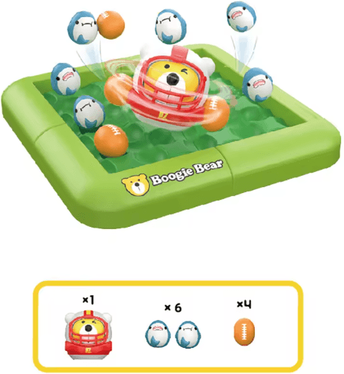
Uplift Picks Kids Math Puzzle Game Logical Thinking Educational Brain Teaser Toy Kids Math Puzzle Game Logical Thinking Educational Brain Teaser ToyMake learning exciting and interactive with this engaging kids math puzzle game designed to boost your childs thinking skills. This fun and challenging logical thinking toy for kids encourages problemsolving through handson play. With numberbased...75,00 $*Shipping: 0,00 $Secure redirect to the provider
-
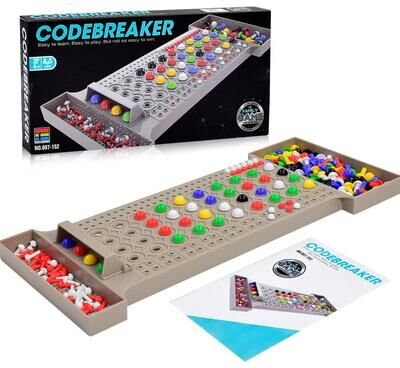
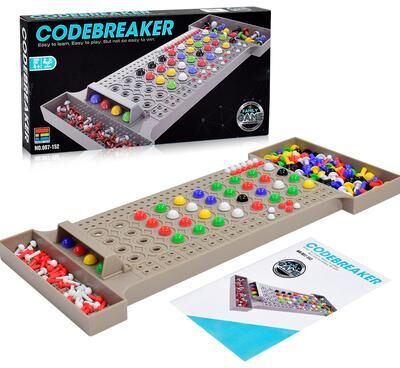
Multisell Products Hub Children Educational Puzzle Game Logical Thinking, Calculation & Password Cracking Toy Children Educational Puzzle Game Logical Thinking, Calculation & Password Cracking ToyUnlock your child's potential with this Childrens Educational Puzzle Game, designed to foster logical thinking and improve calculation skills. This fun and interactive toy not only promotes intellectual development but also strengthens...34,97 $*Shipping: 0,00 $Secure redirect to the provider
-
Inspire Picks Magnetic Chess Board Game For Kids Strategy And Logical Thinking Fun ats30527 ASpark curiosity and sharpen young minds with a classic challenge made kidfriendly. This engaging magnetic chess board game helps children develop focus, patience, and problemsolving skills while having fun. Designed as a thoughtful educational logic...47,95 $*Shipping: 0,00 $Secure redirect to the provider
-
What is a therapist thinking?
A therapist may be thinking about how to best support their client, considering the client's unique needs and challenges. They may also be reflecting on the client's progress and considering potential interventions or strategies to help the client achieve their therapeutic goals. Additionally, a therapist may be processing their own emotional reactions to the client's experiences and working to maintain a nonjudgmental and empathetic stance. Overall, a therapist is likely focused on creating a safe and supportive space for their client to explore and address their concerns. **
-
Is there a clear boundary between rational-logical thinking and emotion-driven thinking?
The boundary between rational-logical thinking and emotion-driven thinking is not always clear-cut. While rational-logical thinking is based on reason, evidence, and critical analysis, emotion-driven thinking is influenced by feelings, personal experiences, and biases. However, emotions can also play a role in rational thinking, as they can inform our decision-making and help us consider the human impact of our choices. Similarly, rational thinking can influence our emotions by helping us understand and manage them more effectively. Therefore, while there may be a distinction between the two types of thinking, they often interact and influence each other in complex ways. **
-
Does a lot of thinking make you smarter and lead to faster thinking?
Engaging in a lot of thinking can certainly improve cognitive abilities and lead to faster thinking in some cases. However, the quality of thinking is just as important as the quantity. Engaging in critical thinking, problem-solving, and learning new information can all contribute to improved cognitive function. Additionally, taking breaks and allowing the mind to rest and recharge is also important for optimal cognitive performance. Therefore, while thinking a lot can contribute to improved intelligence and faster thinking, it is important to balance it with rest and relaxation. **
-
What is the definition of hypothetical-deductive thinking and deductive thinking?
Hypothetical-deductive thinking is a problem-solving approach that involves creating a hypothesis or educated guess about a situation and then testing it through deductive reasoning. Deductive thinking, on the other hand, is a logical process where one starts with a general statement or hypothesis and then examines the possibilities to reach a specific, logical conclusion. In essence, hypothetical-deductive thinking combines the generation of hypotheses with deductive reasoning to arrive at a solution, while deductive thinking focuses solely on drawing specific conclusions from general principles. **


What is the definition of hypothetico-deductive thinking and deductive thinking?
Hypothetico-deductive thinking is a scientific method that involves formulating a hypothesis and then testing it through observation and experimentation to reach a conclusion. It is a process of making educated guesses and then systematically testing them to determine their validity. Deductive thinking, on the other hand, is a logical process where conclusions are drawn based on a set of premises or assumptions. It involves reasoning from general principles to specific instances to reach a logical conclusion. **
What other types of thinking exist besides spatial and visual thinking?
Besides spatial and visual thinking, other types of thinking include analytical thinking, which involves breaking down complex problems into smaller, more manageable parts; critical thinking, which involves evaluating and analyzing information in a logical and systematic way; and creative thinking, which involves generating new and innovative ideas and solutions. Additionally, there is also abstract thinking, which involves understanding and conceptualizing ideas that are not necessarily tied to concrete objects or experiences. These different types of thinking can be used in combination to approach problems and tasks from various angles and perspectives. **
Top-Angebote
Products related to Thinking:
-
Macmillan Business ltd David Epstein Collection 2 Books Set (Range and Inside the Box) Personal Development, Success & Creative Thinking BooksDavid Epstein Collection 2 Books Set (Range and Inside the Box) Range: How Generalists Triumph in a Specialized World The essential guide to improving your performance, and a powerful playbook for success in any field: develop range while everyone around you is rushing to specialize. You may have been taught that success in any field requires early specialization, and 10,000 hours of deliberate practice. If you only dabble or delay, you'll never catch up with those who got a head start. This is completely wrong. In this landmark book, David Epstein shows you that the way to succeed is by sampling widely, gaining a breadth of experiences, taking detours, experimenting relentlessly and juggling many interests. Inside the Box: The fascinating New York Times bestseller that reveals the hidden power of limits An essential read to become the most creative, productive, and satisfied version of yourself, from the Sunday Times bestselling author of Range. We are constantly told to ‘keep our options open’ and ‘think outside the box’ – but what if endless freedom is exactly the problem? Drowning in a dizzying excess of choice often leads to dread, anxiety, and burnout. In Inside the Box, award-winning author David Epstein reveals a powerful truth: to thrive, you don't need more freedom. You need to build your own box.18,99 £*Shipping: 2,99 £Secure redirect to the provider
-
Penguin Thinking, Fast and Slow by Daniel KahnemanWhy is there more chance we'll believe something if it's in a bold type face? Why are judges more likely to deny parole before lunch? Why do we assume a good-looking person will be more competent? The answer lies in the two ways we make choices: fast, intuitive thinking, and slow, rational thinking. This book reveals how our minds are tripped up by error and prejudice (even when we think we are being logical), and gives you practical techniques for slower, smarter thinking. It will enable to you make better decisions at work, at home, and in everything you do.7,99 £*Shipping: 2,99 £Secure redirect to the provider
-
Uplift Picks Kids Math Puzzle Game Logical Thinking Educational Brain Teaser Toy Kids Math Puzzle Game Logical Thinking Educational Brain Teaser ToyMake learning exciting and interactive with this engaging kids math puzzle game designed to boost your childs thinking skills. This fun and challenging logical thinking toy for kids encourages problemsolving through handson play. With numberbased...75,00 $*Shipping: 0,00 $Secure redirect to the provider
-
Can you be a head chef without formal culinary training?
Yes, it is possible to become a head chef without formal culinary training. Many successful head chefs have worked their way up through the ranks in kitchens, gaining experience and knowledge through hands-on work. Some have learned from mentors or through self-study. While formal culinary training can provide a strong foundation and valuable skills, practical experience and dedication to the craft can also lead to a successful career as a head chef. **
-
Is this still politics, instead of logical thinking emotional thinking?
While emotions can play a role in politics, it is ultimately a field that requires a balance of logical thinking and emotional intelligence. Political decisions are often based on a combination of facts, values, and public opinion, making it necessary to consider both rational arguments and emotional responses. Therefore, it is important for politicians and citizens alike to engage in critical thinking and thoughtful analysis when navigating political issues. **
-
What is a therapist thinking?
A therapist may be thinking about how to best support their client, considering the client's unique needs and challenges. They may also be reflecting on the client's progress and considering potential interventions or strategies to help the client achieve their therapeutic goals. Additionally, a therapist may be processing their own emotional reactions to the client's experiences and working to maintain a nonjudgmental and empathetic stance. Overall, a therapist is likely focused on creating a safe and supportive space for their client to explore and address their concerns. **
-
Is there a clear boundary between rational-logical thinking and emotion-driven thinking?
The boundary between rational-logical thinking and emotion-driven thinking is not always clear-cut. While rational-logical thinking is based on reason, evidence, and critical analysis, emotion-driven thinking is influenced by feelings, personal experiences, and biases. However, emotions can also play a role in rational thinking, as they can inform our decision-making and help us consider the human impact of our choices. Similarly, rational thinking can influence our emotions by helping us understand and manage them more effectively. Therefore, while there may be a distinction between the two types of thinking, they often interact and influence each other in complex ways. **
Similar search terms for Thinking
-
Multisell Products Hub Children Educational Puzzle Game Logical Thinking, Calculation & Password Cracking Toy Children Educational Puzzle Game Logical Thinking, Calculation & Password Cracking ToyUnlock your child's potential with this Childrens Educational Puzzle Game, designed to foster logical thinking and improve calculation skills. This fun and interactive toy not only promotes intellectual development but also strengthens...34,97 $*Shipping: 0,00 $Secure redirect to the provider
-
Inspire Picks Magnetic Chess Board Game For Kids Strategy And Logical Thinking Fun ats30527 ASpark curiosity and sharpen young minds with a classic challenge made kidfriendly. This engaging magnetic chess board game helps children develop focus, patience, and problemsolving skills while having fun. Designed as a thoughtful educational logic...47,95 $*Shipping: 0,00 $Secure redirect to the provider
-
Uplift Picks Huarong Road LCD Sliding Puzzle Magnetic Logic Thinking Toy For Kids Huarong Road LCD Sliding Puzzle Magnetic Logic Thinking Toy For KidsChallenge the mind and calm the senses with a Huarong Road puzzle that blends classic logic with modern design. This LCD sliding puzzle invites kids to think critically as they move magnetic blocks to solve increasingly tricky layouts. Compact and...134,50 $*Shipping: 0,00 $Secure redirect to the provider
-
Hi-Line Gift Blue Muse: Pensive Polyresin Thinking Gnome FigurineInfuse your outdoor space with whimsy and contemplation with Blue Muse - a pensive polyresin thinking gnome figurine duo. Crafted for the outdoors, these figurines add a touch of curiosity and charm to gardens, patios, or any outdoor haven.70,22 $*Shipping: 0,00 $Secure redirect to the provider
-
Does a lot of thinking make you smarter and lead to faster thinking?
Engaging in a lot of thinking can certainly improve cognitive abilities and lead to faster thinking in some cases. However, the quality of thinking is just as important as the quantity. Engaging in critical thinking, problem-solving, and learning new information can all contribute to improved cognitive function. Additionally, taking breaks and allowing the mind to rest and recharge is also important for optimal cognitive performance. Therefore, while thinking a lot can contribute to improved intelligence and faster thinking, it is important to balance it with rest and relaxation. **
-
What is the definition of hypothetical-deductive thinking and deductive thinking?
Hypothetical-deductive thinking is a problem-solving approach that involves creating a hypothesis or educated guess about a situation and then testing it through deductive reasoning. Deductive thinking, on the other hand, is a logical process where one starts with a general statement or hypothesis and then examines the possibilities to reach a specific, logical conclusion. In essence, hypothetical-deductive thinking combines the generation of hypotheses with deductive reasoning to arrive at a solution, while deductive thinking focuses solely on drawing specific conclusions from general principles. **
-
What is the definition of hypothetico-deductive thinking and deductive thinking?
Hypothetico-deductive thinking is a scientific method that involves formulating a hypothesis and then testing it through observation and experimentation to reach a conclusion. It is a process of making educated guesses and then systematically testing them to determine their validity. Deductive thinking, on the other hand, is a logical process where conclusions are drawn based on a set of premises or assumptions. It involves reasoning from general principles to specific instances to reach a logical conclusion. **
-
What other types of thinking exist besides spatial and visual thinking?
Besides spatial and visual thinking, other types of thinking include analytical thinking, which involves breaking down complex problems into smaller, more manageable parts; critical thinking, which involves evaluating and analyzing information in a logical and systematic way; and creative thinking, which involves generating new and innovative ideas and solutions. Additionally, there is also abstract thinking, which involves understanding and conceptualizing ideas that are not necessarily tied to concrete objects or experiences. These different types of thinking can be used in combination to approach problems and tasks from various angles and perspectives. **
* All prices are inclusive of VAT and, if applicable, plus shipping costs. The offer information is based on the details provided by the respective shop and is updated through automated processes. Real-time updates do not occur, so deviations can occur in individual cases. ** Note: Parts of this content were created by AI.