Buy rent-a-cook.eu ?
We are moving the project
rent-a-cook.eu .
Are you interested in purchasing the domain
rent-a-cook.eu ?
domain@kv-gmbh.de · 0541-91531010
Buy rent-a-cook.eu ?
Which spices are used in Chinese cuisine?
Chinese cuisine uses a variety of spices to create its unique and flavorful dishes. Some of the most commonly used spices in Chinese cooking include ginger, garlic, star anise, Sichuan peppercorn, cinnamon, and five-spice powder. These spices are used to add depth and complexity to dishes, and are often combined with soy sauce, rice wine, and vinegar to create a balance of flavors. Each region of China also has its own unique spice blends and flavor profiles, adding to the diversity of Chinese cuisine. **
What are typical spices in English cuisine?
Typical spices in English cuisine include black pepper, mustard, nutmeg, cloves, and allspice. Herbs such as parsley, thyme, rosemary, and sage are also commonly used in English cooking. Additionally, English cuisine often incorporates spices like cinnamon, ginger, and mace in sweet dishes such as desserts and baked goods. Overall, English cuisine tends to favor a combination of savory and sweet spices to enhance the flavor of dishes. **

Similar search terms for Spices
Top-Angebote
Products related to Spices:
-
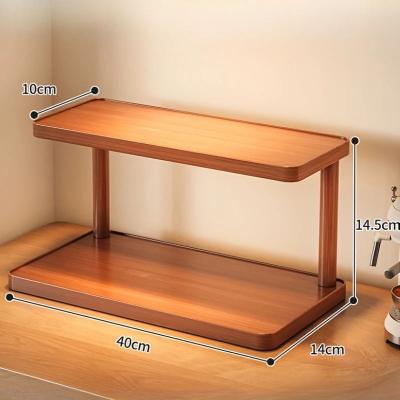
Uplift Essentials Architectural Tiered Management System 2 Tier Natural Wood Countertop Organizer For Gourmet Spices & Tea Rooms 16 InOptimize your culinary and hospitality zones with our Professional Architectural Tiered Management System. Specifically engineered for highdensity countertop organization, this performance rack is forged from premiumgrade, moistureresistant natural...64,97 $*Shipping: 0,00 $Secure redirect to the provider


-
What advantage do freeze-dried spices have over air-dried spices?
Freeze-dried spices have an advantage over air-dried spices in terms of flavor retention and color preservation. The freeze-drying process helps to lock in the natural flavors and aromas of the spices, resulting in a more potent and intense flavor profile compared to air-dried spices. Additionally, freeze-dried spices tend to retain their vibrant color better, making them visually appealing when used in dishes. Lastly, freeze-dried spices have a longer shelf life compared to air-dried spices, as the freeze-drying process helps to prevent degradation over time. **
-
Are spices always durable?
Spices are not always durable, as their shelf life can vary depending on the type of spice and how it is stored. Ground spices generally have a shorter shelf life than whole spices, and exposure to light, heat, and air can cause spices to lose their flavor and potency over time. It's important to store spices in airtight containers in a cool, dark place to help preserve their quality and flavor. Checking the expiration date and regularly replacing old spices can help ensure that they remain fresh and flavorful. **
-
Do spices have calories?
Spices themselves are very low in calories, as they are typically used in small amounts to add flavor to dishes. Most spices contain less than 5 calories per teaspoon. However, if spices are used in larger quantities or in spice blends that contain added ingredients like sugar or salt, then the calorie content may increase. Overall, spices are a great way to add flavor to food without significantly increasing calorie intake. **
-
Do spices contain carbohydrates?
Spices themselves do not contain significant amounts of carbohydrates. They are primarily made up of plant compounds that provide flavor, aroma, and color to dishes. However, some spice blends or mixes may contain added ingredients that could contribute carbohydrates, such as sugar or starch. It's important to check the ingredient list on spice blends to determine if they contain carbohydrates. **

How can spices spoil?
Spices can spoil due to exposure to air, light, heat, and moisture. When spices are not stored in airtight containers, they can be exposed to air and moisture, which can lead to the growth of mold and bacteria. Additionally, exposure to light and heat can cause spices to lose their flavor and aroma over time. It is important to store spices in a cool, dark, and dry place to prevent spoilage. **
What is a substitute for spices?
One substitute for spices is using fresh herbs to add flavor to dishes. For example, using fresh basil, parsley, or cilantro can provide a similar flavor profile to dried herbs. Another option is using citrus zest or juice to add a bright and tangy flavor to dishes. Additionally, using flavored oils or vinegars can also add depth and complexity to a dish in place of traditional spices. **
Top-Angebote
Products related to Spices:
-
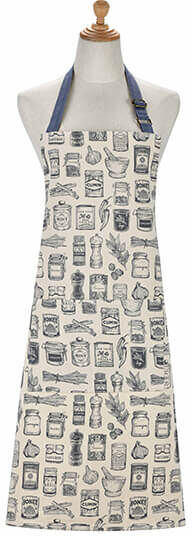
Ulster Weavers Herbs & Spices Cotton ApronThe Ulster Weavers Herbs & Spices Cotton Apron is inspired by vintage food packaging and recipe books, featuring hand drawn designs created with fineliners. The single-color print on unbleached cloth gives the collection a rustic, timeless cookshop look. Made from 100% cotton, this stylish apron features an adjustable neck strap, waist ties and a handy front pocket. Machine washable at 40°C. Part of the Ulster Weavers Herbs & Spices collection, this apron can be mixed and matched with other items, sold separately. Size: 70(W) x 85(L)cm.18,00 £*Shipping: 3,50 £Secure redirect to the provider
-
Uplift Essentials Architectural Tiered Management System 2 Tier Natural Wood Countertop Organizer For Gourmet Spices & Tea Rooms 16 InOptimize your culinary and hospitality zones with our Professional Architectural Tiered Management System. Specifically engineered for highdensity countertop organization, this performance rack is forged from premiumgrade, moistureresistant natural...64,97 $*Shipping: 0,00 $Secure redirect to the provider
-
Which spices are used in Chinese cuisine?
Chinese cuisine uses a variety of spices to create its unique and flavorful dishes. Some of the most commonly used spices in Chinese cooking include ginger, garlic, star anise, Sichuan peppercorn, cinnamon, and five-spice powder. These spices are used to add depth and complexity to dishes, and are often combined with soy sauce, rice wine, and vinegar to create a balance of flavors. Each region of China also has its own unique spice blends and flavor profiles, adding to the diversity of Chinese cuisine. **
-
What are typical spices in English cuisine?
Typical spices in English cuisine include black pepper, mustard, nutmeg, cloves, and allspice. Herbs such as parsley, thyme, rosemary, and sage are also commonly used in English cooking. Additionally, English cuisine often incorporates spices like cinnamon, ginger, and mace in sweet dishes such as desserts and baked goods. Overall, English cuisine tends to favor a combination of savory and sweet spices to enhance the flavor of dishes. **
-
What advantage do freeze-dried spices have over air-dried spices?
Freeze-dried spices have an advantage over air-dried spices in terms of flavor retention and color preservation. The freeze-drying process helps to lock in the natural flavors and aromas of the spices, resulting in a more potent and intense flavor profile compared to air-dried spices. Additionally, freeze-dried spices tend to retain their vibrant color better, making them visually appealing when used in dishes. Lastly, freeze-dried spices have a longer shelf life compared to air-dried spices, as the freeze-drying process helps to prevent degradation over time. **
-
Are spices always durable?
Spices are not always durable, as their shelf life can vary depending on the type of spice and how it is stored. Ground spices generally have a shorter shelf life than whole spices, and exposure to light, heat, and air can cause spices to lose their flavor and potency over time. It's important to store spices in airtight containers in a cool, dark place to help preserve their quality and flavor. Checking the expiration date and regularly replacing old spices can help ensure that they remain fresh and flavorful. **
Similar search terms for Spices
-
Artemis Bio Organic "Clove" Spices 25 grNutrition and Supplements Sauces and Condiments Artemis Bio Organic "Clove" Spices 25 gr Due to its aroma and flavor it is good for salty and sweet recipes. It is added to rice, sauces, bread, meat, desserts and drinks. From organic farming.1,87 £*Shipping: 3,99 £Secure redirect to the provider
-
Do spices have calories?
Spices themselves are very low in calories, as they are typically used in small amounts to add flavor to dishes. Most spices contain less than 5 calories per teaspoon. However, if spices are used in larger quantities or in spice blends that contain added ingredients like sugar or salt, then the calorie content may increase. Overall, spices are a great way to add flavor to food without significantly increasing calorie intake. **
-
Do spices contain carbohydrates?
Spices themselves do not contain significant amounts of carbohydrates. They are primarily made up of plant compounds that provide flavor, aroma, and color to dishes. However, some spice blends or mixes may contain added ingredients that could contribute carbohydrates, such as sugar or starch. It's important to check the ingredient list on spice blends to determine if they contain carbohydrates. **
-
How can spices spoil?
Spices can spoil due to exposure to air, light, heat, and moisture. When spices are not stored in airtight containers, they can be exposed to air and moisture, which can lead to the growth of mold and bacteria. Additionally, exposure to light and heat can cause spices to lose their flavor and aroma over time. It is important to store spices in a cool, dark, and dry place to prevent spoilage. **
-
What is a substitute for spices?
One substitute for spices is using fresh herbs to add flavor to dishes. For example, using fresh basil, parsley, or cilantro can provide a similar flavor profile to dried herbs. Another option is using citrus zest or juice to add a bright and tangy flavor to dishes. Additionally, using flavored oils or vinegars can also add depth and complexity to a dish in place of traditional spices. **
* All prices are inclusive of VAT and, if applicable, plus shipping costs. The offer information is based on the details provided by the respective shop and is updated through automated processes. Real-time updates do not occur, so deviations can occur in individual cases. ** Note: Parts of this content were created by AI.